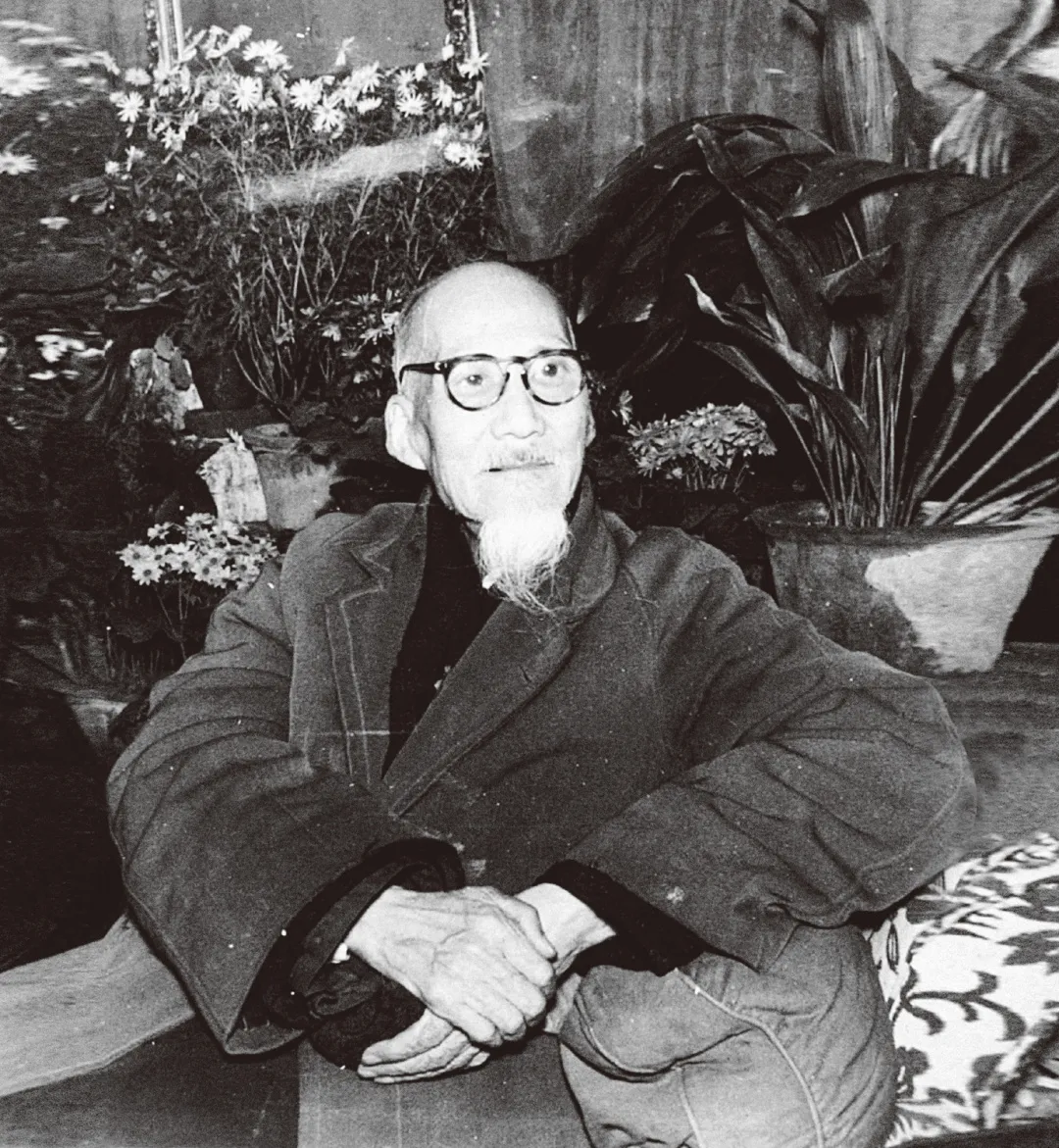
Huang Binhong
Introduction
Huang Binhong (1865-1955) is celebrated as one of the most influential figures in 20th-century Chinese art. Renowned for his dedication to traditional Chinese artistic heritage, Huang seamlessly blended these elements with a modern spirit and a global perspective. His profound contributions to landscape painting and calligraphy have earned him a revered place in the annals of Chinese art history. Huang's philosophy, centered around the unique brushwork which he mastered in his later years, has garnered admiration and study, with his paintings becoming highly sought after in the art market.
Early Life and Education
Born in 1865, Huang Binhong hailed from a scholarly family in Jinhua, Zhejiang province. From an early age, he was immersed in a cultural environment that valued classical Chinese literature and the arts. Huang's early education included traditional Chinese subjects, which was customary for children of scholarly families during that period. He showed a keen interest in both painting and calligraphy, influenced by the natural landscapes surrounding his home and the rich artistic heritage of his region. Huang's formative years were spent under the tutelage of local artists who imparted the foundational skills and techniques of traditional Chinese painting and calligraphy. This rigorous training laid the groundwork for his later artistic development and innovation.
Artistic Style and Techniques
Traditional Chinese Painting
Huang Binhong is best known for his mastery of traditional Chinese ink landscape painting. His work is distinguished by the innovative use of ink and brush techniques, which he developed into a unique style characterized by thick, bold strokes and a rich layering of ink. This style, often referred to as "Binhong's Black," emphasizes the interplay of light and shadow, creating depth and texture in his landscapes. His depictions of mountains, rivers, and forests reflect not only the physical form of nature but also its spiritual essence. Huang's landscapes often convey a sense of grandeur and tranquility, embodying the traditional Chinese aesthetic of harmony between humans and nature.
Influence of Calligraphy
Calligraphy played a crucial role in Huang Binhong's artistic expression, influencing both the form and spirit of his paintings. The fluidity and expressiveness of calligraphy are evident in his brushwork, which combines the precision of calligraphic strokes with the spontaneity of ink painting. Huang's calligraphic style is marked by a scholarly elegance and a deep understanding of traditional Chinese scripts. This integration of calligraphy into his paintings not only enhances their visual appeal but also imbues them with a deeper cultural and philosophical significance. His dual mastery of painting and calligraphy exemplifies the traditional Chinese ideal of the scholar-artist, who seeks to unite art and life in a harmonious whole.
Contribution to Chinese Art
Huang Binhong is widely recognized for his pivotal role in revitalizing traditional Chinese ink painting during a time when Western art was gaining popularity in China. Alongside contemporaries such as Qi Baishi, Huang was instrumental in breathing new life into classic Chinese art forms by infusing them with modern sensibilities. His experimental approach to palette and brushwork retained the scholarly elegance of Chinese art while addressing the tastes of a broader audience. Huang's work not only preserved the cultural heritage of Chinese painting but also paved the way for future generations of artists to explore the fusion of tradition and innovation. His influence extends beyond the realm of visual art, contributing to the broader cultural discourse on the role of traditional arts in a modernizing society.
Later Years and Legacy
The later years of Huang Binhong's life were marked by both personal and artistic challenges. Despite declining health, he continued to paint prolifically, achieving artistic maturity in his eighties. It was during this period that he developed the distinctive style that would come to define his legacy. Although his work was not as widely appreciated during his lifetime, the past few decades have seen a growing recognition of his contributions to Chinese art. Museums and galleries worldwide have hosted exhibitions showcasing his work, and his paintings have become highly sought after by collectors. Huang's legacy is not only preserved in his art but also in the influence he had on subsequent generations of artists who continue to draw inspiration from his innovative techniques and philosophical approach.
Exhibitions and Collections
Huang Binhong's art has been celebrated in numerous exhibitions and collections, both in China and internationally. The Beijing Fine Art Academy, the Zhejiang Provincial Museum, and the Tianjin Museum have all hosted exhibitions showcasing his paintings and calligraphy, drawing art enthusiasts and scholars from around the world. These exhibitions have played a crucial role in raising public awareness of Huang's artistic achievements and have contributed to the ongoing appreciation of classic Chinese painting. His works are held in prominent collections, including those of the Zhejiang Art Museum and other major cultural institutions, ensuring that his legacy continues to inspire and educate future generations.








